

Steamboat Springs is home to a wide variety of animals throughout the year and though some may assume that wildlife dangers are decreased during the winter months, that doesn’t mean that there aren’t warnings that still need to be heeded. Whether you want to view wildlife in their natural habitat this winter or you want to ensure that you’re staying safe while exploring the wilderness around Steamboat Springs, keep these tips in mind when entering into wildlife habitats.
Where to Spot Wildlife This Winter In and Around Steamboat Springs
Keep in mind that most animals are at their most active at dawn and at dusk. Naturally, these are the best times of the day to visit an area where wildlife activity is prominent if your goal is to spot them. These can also be the coldest parts of the day, so make sure to gear up properly to stay warm. In some cases, you may be able to spot wildlife from the comfort (and safety) of your vehicle as you take a scenic wildlife-spotting drive.
Depending on what animal you’re hoping to see, your wildlife-spotting adventures may lead you to different locations around town. For instance, birders may be hoping to spot bald eagles at the Yampa River State Park as they nest for the season, and mountain lions may be active around Routt National Forest, as well as bobcats, coyotes, red foxes, and more.
Some species disappear to hibernate, while others move around in their instinctive migratory patterns. If you’re looking for something specific, be sure to understand how the winter may change their daily habits.
Chuck Lewis State Wildlife Area
The Chuck Lewis SWA is located in Routt County and features 288 acres of property, with a maximum elevation of 6,832 feet. A valid hunting or fishing license or a SWA pass is required for everyone 16 years or older to access this wildlife area. Public access is prohibited from sunset to sunrise, except while hunting or fishing. The Chuck Lewis SWA is a critical habitat area for Colorado wildlife, so always follow the Leave No Trace principles when visiting state lands. Chuck Lewis is a popular destination in the springtime as well if you’re hoping to catch the sandhill cranes as they migrate.
Arapaho National Wildlife Refuge
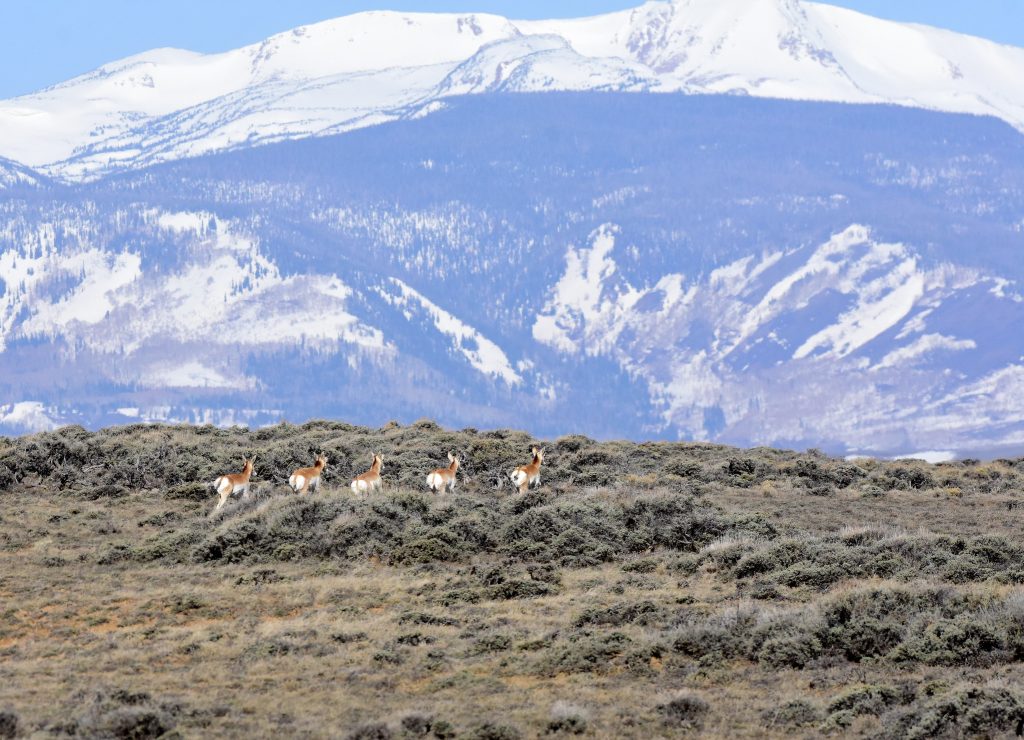
Arapaho National Wildlife Refuge is somewhat of a hidden gem, located an hour northeast of Steamboat Springs and approximately 20 minutes from Walden. The secluded refuge provides a welcome habitat to over 200 species throughout the year, so your chances of spotting something are fairly high! Grab your camera and shoot photos of eagles, hawks, deer, beaver, moose, and more. Open from sunup to sundown, there is no entrance fee to visit the refuge and visitors can take advantage of the 6-mile guided driving tour where they can remain warm and cozy in their vehicle while they discover the complex ecosystems and the hundreds of animals that call the area home. Keep in mind that refuge roads may see seasonal closures to protect delicate habitats, so don your warmest attire and spot wildlife on foot!
Yampa River State Park
The Yampa River State Park is situated in the valley west of Steamboat Springs and is a popular recreation destination year-round. Spanning over 160 acres with 60 campsites, miles of hiking trails and a multitude of river access points, there’s truly something for everyone at the state park. Daily vehicle passes are priced at $10 per day, which is a small price to pay for the multitude of animals you’re likely to spot within the park borders. Animals that call the Yampa River State Park home are diverse, spanning from squirrels, mule deer, owls, frogs, snakes, oh my! Bring your camera, binoculars or just a keen eye and you’re likely to come across a new friend or two. Make sure to say hi from a distance!
Mount Zirkel Wilderness
There are an array of large mammals that call the Mount Zirkel Wilderness home. From moose, mountain lions, elk, deer, bighorn sheep, coyotes, and foxes — you should be prepared to encounter wildlife and ensure that you know what to do if this occurs. Smaller wildlife in the area include beavers, porcupines, skunks, squirrels, chipmunks, and at higher elevations, pica. There are also plenty of birds and during the warmer months, bears are plentiful. Parks and Wildlife recommends being loud while you explore or wearing bells when walking the trail to help animals hear you coming and take off before a chance encounter occurs.
What Wildlife Call Steamboat Home During the Winter Months
Whether you’re visiting Steamboat Springs to hit the slopes this winter or you call the mountain town your home year-round, it’s never a bad idea to brush up on how to coexist with the abundance of wildlife that frequents the area. Many types of animals can be spotted throughout the winter, as well as year-round — including elk, moose, ermine, deer, raccoons, coyotes, and even mountain lions! Of course, black bears go into hibernation sometime in early November and will re-emerge around mid-March, so you don’t typically need to concern yourself with them while snow is on the ground.
Heavy snowstorms can drive mammals to lower elevations but that doesn’t mean that you should ignore dangers posed by wildlife while you tackle that snowshoe trail or don your cross-country skis for a day in the backcountry. Elk, deer, and moose can pose high risks, especially along the roadways during hours with low visibility such as dawn and dusk. Drivers should heed these warnings and ensure that distractions are kept to a minimum while traversing winding roads, especially when snow and ice can make conditions less than ideal.
Mountain lions are active throughout the year, though they’re rarely seen. During the winter months, mountain lions are noted to become more active and are at an increased chance of being seen during the daylight hours. Activity near towns and populated areas can become more common as the weather gets cold. Community members are encouraged to take the proper precautions and to be prepared for the unlikely scenario that they encounter a lion.
Tips for Safely Viewing Wildlife in the Winter
Wildlife watching is a little bit different during the colder months but that doesn’t mean that you should leave all of your summertime precautions in the dust. One of the best ways to view wildlife in the winter is to head to the state’s natural landscapes. Not only does this give you the prime opportunity to appreciate the beauty of the snowy mountain sides and magical alpine forests, you may just spot a bucket list animal on your journey. When viewing wildlife, take the proper precautions to ensure that both the animal and you are safe and comfortable.
Use Your Binoculars
First and foremost, the safest way to view wildlife is from a comfortable distance — both for the animal and for the human. Respect the animal’s personal space and take advantage of zoom lenses, binoculars, or a spotting scope to view the animal up close and in detail. This is a great way to avoid a dangerous situation and can allow human viewers to watch the animal as it goes about its natural behaviors, without becoming spooked or wary of someone coming too close.
Be Prepared
Whether you plan to hike, ski, snowboard, or snowshoe this winter — always be prepared when going outdoors. This can mean having a deterrent spray, a noisemaker, or even rocks to throw if you have no other tool at your disposal. Stay aware of your surroundings and be respectful of nesting or denning areas. Recreate during daylight hours and stay alert while you enjoy the natural beauty of Steamboat Springs. Keep an eye on rock outcroppings, bushes, overgrown vegetation, and more spots where wildlife may be lurking.
Watch the Animal’s Behavior
If the wildlife that you’re observing appears “jumpy” or nervous when you move, this is a clear indicator that you’re too close! Watch the animal’s body language for ears pointed at you or their head rising and make sure to sit or stand very quietly without making eye contact. When possible, move away slowly to a safer distance to ensure that both you and the animal are comfortable. Take care to be especially sensitive and cautious on the chance that you encounter adult animals with young offspring.
Leave Your Pets at Home
In the best-case scenario, your pet’s presence can greatly hinder your ability to spot wildlife. In the worst case scenario, dogs especially may be triggered to chase, injure, or even kill wildlife or be injured or killed themselves if they spook larger animals — such as moose. Leave Fido at home for your wildlife-viewing activities.
Do Not Approach Wildlife
Most animals will try to avoid a confrontation, so make sure they have a way to escape and that they don’t feel confronted. Stay calm and speak firmly. Slowly back away if you can do so safely, as running can stimulate certain wildlife’s instinct to chase and attack, such as mountain lions. Raise your arms to appear larger and open your jacket if wearing one.
Educate Yourself
Before blindly going out this winter, brush up on what animals might be active where you’re going and how best to coexist with them while you’re in their territory. If you’re searching for a specific animal, read up on their behaviors and what you might find them doing in the winter. In some instances, the animal that you’re used to seeing during the summer may look completely different in the winter. The ermine, for example, turns white to camouflage with the snow in a seasonal metamorphosis.
Keep Your Eyes Peeled this Winter!
The winter season brings an abundance of new activities to be enjoyed by residents and visitors of Steamboat Springs, including downhill skiing and snow tubing with the family. If you love all things wildlife, then the winter months also provide the unique opportunity to view creatures in their natural habitat as they go about surviving the cold season. Whether you want to spot a moose or you’re seeking out the quiet sounds of nature while you watch a herd of elk at sunrise — these are some of the best places to view animals in their natural environment.